
interview follow-up
Thank You Email After Interview NZ: 2026 Templates & Follow-Up Guide
By Job Sparrow Team

You just finished a great interview. You close your laptop or walk out of the building, and immediately, the anxiety sets in. Should you follow up? If you are a migrant or career changer in New Zealand, this post-interview waiting period can feel paralyzing.
You might fear sounding too pushy, arrogant, or culturally out of touch. You need an exact, copy-paste approach that strikes the perfect Kiwi balance of professional confidence and humble etiquette. This guide provides 2026 templates and actionable strategies to help you follow up perfectly in the NZ job market.
What has changed in 2026 for NZ job seekers
The New Zealand job market has evolved. In 2026, two key trends impact how you should approach your follow-up. First, the integration of Te Reo Māori in corporate communications is no longer just a nice touch; it is a standard expectation in modern workplaces. Second, with the permanent shift to hybrid work, virtual interviews are the norm, meaning digital follow-ups must be sharper and more intentional than ever.
Why a post-interview follow-up email matters in New Zealand
Waiting to hear back from an employer is one of the most stressful parts of the job hunt. While New Zealand boasts a famously relaxed and friendly work culture, professional follow-ups are still highly expected. A thank you email after an interview in NZ is not just a polite gesture. It is a strategic move that keeps you top of mind.
While global data from Robert Half shows that 27 percent of hiring managers say sending a thank you message makes a positive impression, NZ recruitment specialists at Hays New Zealand echo this sentiment for the local market. A polite follow-up can tip the scales in a candidate's favor when skills are equal.
When you send a post-interview follow-up email, you achieve three things:
- You prove your interest: It shows you are genuinely excited about the role, not just applying blindly.
- You demonstrate communication skills: A well-written note highlights your written professionalism.
- You reinforce your fit: It gives you one last chance to remind them why your skills align with their needs.
If you want to understand more about how small strategic moves make a massive difference in your job hunt, read about how JobSparrow's approach helps you land roles faster.
Post-interview etiquette New Zealand: the Kiwi balance
New Zealand workplace culture is built on egalitarianism. There is a strong cultural aversion to the "Tall Poppy Syndrome," which means candidates must balance genuine confidence with humility. Bragging or aggressive follow-ups will quickly alienate a Kiwi hiring manager.
For migrants adapting to this market, the key is to be polite, brief, and respectful of the employer's time. You want to show enthusiasm without sounding desperate.
Furthermore, incorporating Te Reo Māori is standard practice in modern New Zealand corporate communications. It demonstrates respect for the country's bicultural foundation. According to guidelines from Trade Me, using greetings like "Kia ora" and sign-offs like "Ngā mihi" is highly recommended in professional follow-ups.
Here are a few standard Te Reo phrases to use in your emails:
- Kia ora: Hello (informal but widely accepted in business).
- Mōrena: Good morning.
- Ngā mihi: Kind regards or thank you (the most common email sign-off).
- Mauri ora: Wishing you well.
If you are new to the region and want to ensure your overall professional profile hits the right notes, check out our guide on LinkedIn screening tips for migrants. Many of these screening principles apply directly to the New Zealand market as well.
When to send a thank you email after an interview
Timing is critical for your post-interview follow-up. You want to strike while the iron is hot, but you do not want to look like you are hovering by your inbox.
According to recruitment experts at Hays New Zealand, the general rule is to send a thank you email within 24 hours of the job interview. This ensures the conversation is still fresh in the minds of the hiring team.
Here is a simple timeline to follow:
- The Initial Thank You: Send within 24 hours of your interview. If your interview was on a Friday afternoon, send it on Monday morning.
- The Status Update: If the employer gave you a specific date for a decision (e.g., "We will let you know by Wednesday"), wait until 48 hours after that date has passed before following up again.
- The General Follow-Up: If no timeline was provided, Trade Me advises waiting at least one week before asking for a status update.
You can easily log these important dates using JobSparrow's Job Application Tracking dashboard so you never miss a follow-up window.
The best subject line for interview follow-up emails
Hiring managers receive dozens of emails daily. Your subject line for an interview follow-up must be clear, professional, and instantly recognizable. Do not try to be overly clever or cryptic.
If you have already been emailing the recruiter or hiring manager to schedule the interview, simply reply to that existing email thread. This keeps all context in one place.
If you need to start a new email, use one of these proven subject lines:
- Thank you - [Your Name] - [Job Title] Interview
- Interview Follow-Up: [Job Title] - [Your Name]
- Thank you for your time today, [Interviewer's Name]
- Following up: [Job Title] position - [Your Name]
Interview follow-up template NZ: 2026 examples
Writing the actual email can be daunting. Below are three templates designed specifically for the New Zealand market. You can copy, paste, and customize these for your specific situation.
1. Short thank you email after interview (standard role)
Use this template for most standard job interviews. It is brief, polite, and hits all the right professional notes.
Subject: Thank you - [Your Name] - [Job Title] Interview
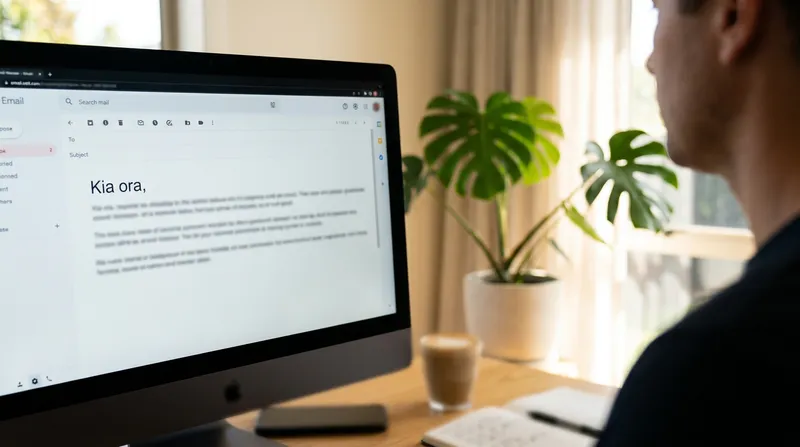
Kia ora [Interviewer Name],
Thank you for taking the time to speak with me yesterday about the [Job Title] position. It was great learning more about the team and the upcoming projects at [Company Name].
Our conversation made me even more excited about this opportunity. I am confident that my background in [mention one key skill discussed] would allow me to contribute quickly to your goals for the year.
Please let me know if you need any additional information or references from me to help with your decision-making process.
Ngā mihi,
[Your Name] [Your Phone Number] [Link to your LinkedIn Profile]
2. Thank you note to hiring manager (senior or second interview)
If you are applying for a leadership role or just finished a second-round interview, your email should be slightly more detailed. Reiterate a specific business problem you discussed.
Subject: Interview Follow-Up: [Job Title] - [Your Name]
Mōrena [Interviewer Name],
Thank you again for the engaging conversation yesterday regarding the [Job Title] role. I really appreciated your transparency about the challenges [Company Name] is currently facing with [mention a specific challenge discussed].
As we discussed, my experience leading similar initiatives at my previous company taught me that [mention a brief strategic insight]. I would be thrilled to bring this perspective to your team and help drive those results.
I look forward to hearing about the next steps in the process.
Mauri ora,
[Your Name] [Your Phone Number]
3. Template for migrants and career changers
If you are transitioning into a new industry or a new country, use the follow-up to confidently remind them of your transferable skills. If you recently experienced a layoff and are pivoting, this is a great time to show resilience. (For more on bouncing back, read our 90-day action plan for bouncing back after redundancy).
Subject: Thank you - [Your Name] - [Job Title] Interview
Kia ora [Interviewer Name],
Thank you for your time today. I really enjoyed learning about the culture at [Company Name] and your vision for the [Job Title] role.
I know my background in [Your Previous Industry/Country] is slightly different from the traditional candidate profile. However, as we discussed, my core skills in [Skill 1] and [Skill 2] translate directly to the challenges your team is solving right now. I am highly adaptable and eager to hit the ground running.
Thank you again for the opportunity to interview. I look forward to your feedback.
Ngā mihi nui,
[Your Name] [Your Phone Number]
How to follow up after an interview on Seek
Seek is the dominant job board in New Zealand and Australia. Often, your entire application process happens through the platform's internal messaging system.
If your primary communication has been through Seek messages, keep your follow-up there. Do not hunt down the recruiter's personal email address if they have intentionally kept communication on the platform.
Seek messages should be slightly shorter than standard emails.
Seek Message Template: "Kia ora [Name], thank you for the interview yesterday for the [Job Title] role. I really enjoyed our chat and am very excited about the opportunity to join the team. Please let me know if you need any further details from me. Ngā mihi, [Your Name]."
For more advice on optimizing your presence on this platform, read our guide on optimizing your presence on this platform.
Following up on LinkedIn
If your primary communication with the recruiter or hiring manager has been through LinkedIn, it is perfectly acceptable to send your thank you message there. Keep it professional, brief, and ensure you send it within the same 24-hour window. LinkedIn messages should match the tone of your previous conversations on the platform, acting as a natural extension of your existing dialogue.
Handling panel interviews and group settings
It is incredibly common in New Zealand to face a panel interview, especially for government or corporate roles. This brings up a common question: do you email everyone, or just the lead interviewer?
Advice from career advisors at Harvard University recommends sending personalized notes to each participant after a panel interview. If individual emails are not possible (for example, if you only have one person's email address), it is acceptable to send a collective note to the group.
If you email everyone individually, do not copy and paste the exact same message. Hiring managers often compare notes. Mention one specific talking point you discussed with that individual person to show active listening.
What to avoid in your thank you letter after interview NZ
A bad follow-up email can actually ruin your chances of getting the job. When crafting your post-interview follow-up email, avoid these common mistakes:
- Do not be pushy: Guidance from Vanderbilt University advises candidates not to pressure the interviewer for feedback on their performance or ask whether they will be chosen for the role in the thank you email.
- Do not send gifts: Physical thank you cards are uncommon in NZ professional settings and may feel unexpected to some hiring managers. Stick to email or the platform you have been communicating through to keep things simple and professional.
- Do not connect on personal social media: Stick to LinkedIn or email. Do not add the hiring manager on Facebook or Instagram.
- Do not apologize for your performance: Never use the follow-up email to point out mistakes you made during the interview. Focus only on the positives.
If you find yourself constantly waiting for replies that never come, you might have deeper issues in your application strategy. Learn more in our article about 8 reasons you are not hearing back and how to fix it.
Next steps in your AU and NZ job search
Sending your thank you email marks the end of what you can actively control in this interview cycle. Shift your energy to the next opportunity while you wait. The best thing you can do for your mental health is to immediately start preparing for your next application.
Keep applying, keep tailoring your CVs, and keep practicing your interview skills. If you struggle with answering questions under pressure, check out how to master behavioral interviews using the STAR method.
Ready to land more interviews and feel confident in your job search? JobSparrow's AI Mock Interviews feature provides role-specific practice with real-time feedback, helping you prepare more confidently for your next conversation.
Start With a Free Diagnosis of Your CV.
Frequently asked questions
Is it considered too pushy to send a thank you email in New Zealand?
No. While New Zealand culture is relaxed and egalitarian, sending a polite thank you note within 24 hours is considered standard professional etiquette. It shows genuine interest in the role and respects the interviewer's time without coming across as aggressive.
Should I use 'Kia ora' in my interview follow-up email?
Yes. Using basic Te Reo Māori greetings like 'Kia ora' and sign-offs like 'Ngā mihi' is highly encouraged. It is standard practice in modern New Zealand corporate environments and demonstrates your cultural awareness and respect for the local business landscape.
What if I haven't heard back after my initial thank you email?
If the employer's promised deadline has passed, wait an additional 48 hours before sending a polite, brief follow-up asking for an update on the hiring timeline. If they did not give a deadline, wait one full week before reaching out again.
Can I send a thank you note via LinkedIn instead of email?
If your primary communication with the recruiter or hiring manager has been through LinkedIn, it is perfectly acceptable to send your thank you message there. Keep it professional, brief, and ensure you send it within the same 24-hour window.
Does a thank you email actually increase my chances of getting the job?
Yes. Data shows that a well-crafted thank you email can act as a tie-breaker between equally qualified candidates. It demonstrates strong communication skills, enthusiasm, and attention to detail, which are highly valued by Kiwi employers.
Tags
Keep reading
Recommended articles.
interview preparation · job search tips
15+ Best Questions to Ask at the End of an Interview in Australia & NZ (2026)
Saying 'no' is a massive red flag. Discover the 16 best end-of-interview questions to ask employers in Australia and NZ to land your next job offer.
personal ats · job application tracker
Beyond Spreadsheets: How to Build a Personal ATS (Job Application Tracker)
Ditch your job search spreadsheet. Build a personal ATS to track applications, manage tailored resume versions, and land more interviews with less burnout.
ai resume builder · job search tips
How to Use an AI Resume and Cover Letter Creator to Apply in Under 5 Minutes
Stop wasting hours. Use an AI resume and cover letter creator to tailor your profile and apply in under 5 minutes. Start your free CV diagnosis today.